Introduction
Buying property in India involves much more than checking location, pricing, and amenities. One of the most important parts of property buying is legal verification. Many buyers today are becoming more cautious about ownership records, land disputes, and property documentation before making a purchase decision.
This is where the Waqf Board property list becomes important.
In recent years, awareness around Waqf properties has increased significantly, especially among buyers, investors, and developers looking to verify land ownership and legal status. Understanding the Waqf Board property list can help buyers avoid legal complications and make safer real estate decisions.
For anyone planning to invest in real estate, proper property verification is no longer optional. Platforms like properties.market are also helping buyers discover verified listings and make more informed property decisions across India.
What Is the Waqf Board?
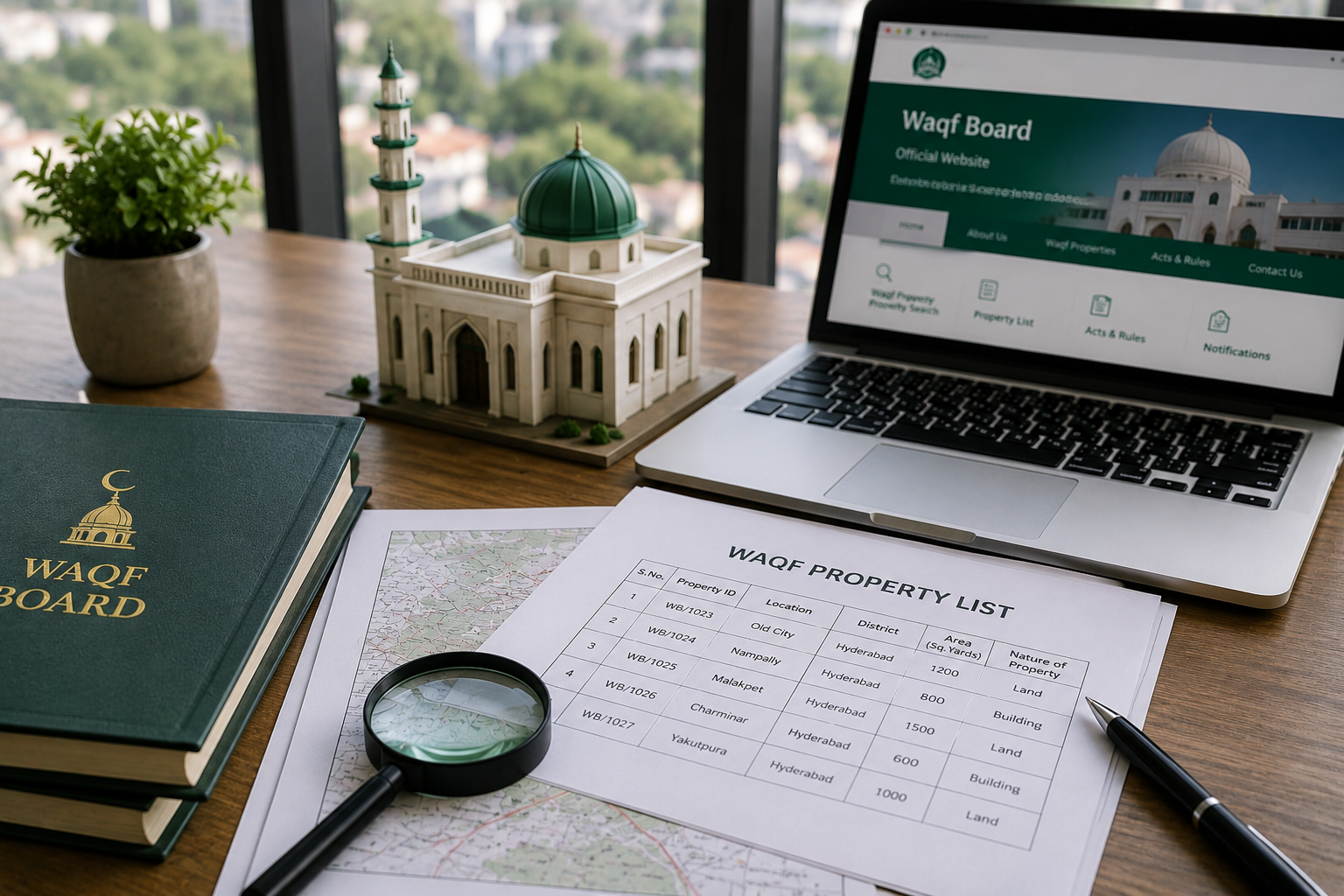
The Waqf Board is a statutory body responsible for managing Waqf properties across India. Waqf properties are assets donated for religious, charitable, or community purposes under Islamic law.
These properties may include:
- Land parcels
- Mosques
- Graveyards
- Commercial buildings
- Educational institutions
- Residential properties
Every state has its own Waqf Board responsible for maintaining records and managing these assets.
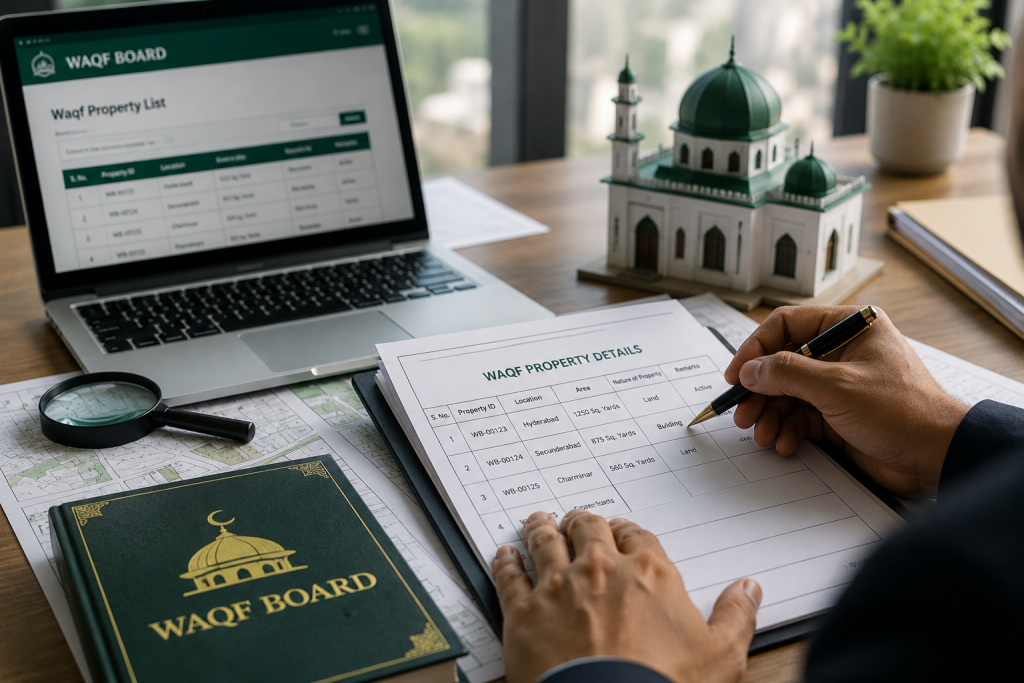
The Waqf Board property list contains records of properties registered under Waqf ownership.
Why the Waqf Board Property List Matters
Many buyers are unaware of the legal complexities associated with Waqf properties. Purchasing disputed or improperly verified land can lead to major complications later.
Checking the Waqf Board property list helps buyers:
- Verify ownership records
- Avoid disputed properties
- Reduce legal risks
- Conduct safer due diligence
- Make informed investment decisions
For property buyers, investors, and developers, understanding whether a property falls under Waqf ownership is an important part of legal verification.
How Property Buyers Can Benefit from Checking the Waqf Board Property List
Property verification is becoming increasingly important in India’s growing real estate market.
Better Legal Clarity
Reviewing the Waqf Board property list provides clarity regarding ownership and land classification.
Reduced Investment Risk
Buyers can avoid purchasing properties that may later become part of legal disputes.
Safer Transactions
Verified ownership records improve buyer confidence during transactions.
Smarter Decision Making
The more informed a buyer is, the lower the chances of future complications.
Common Challenges Buyers Face Without Proper Verification
Many buyers focus only on:
- property pricing
- location
- amenities
- appreciation potential
But legal verification often gets ignored.
This creates risks such as:
- ownership disputes
- unclear land titles
- delayed registrations
- legal notices
- resale difficulties
Checking records like the Waqf Board property list can help buyers avoid such situations.
How to Check the Waqf Board Property List
The process may vary slightly depending on the state, but buyers can usually verify information through official Waqf Board websites or government property portals.
Basic Steps Include
- Visit the relevant state Waqf Board website
- Search for property records or registered Waqf assets
- Verify survey details and ownership information
- Cross check property documentation
Buyers should also consult legal professionals before making high value property investments.
For official information regarding Waqf records and management, buyers can refer to the Central Waqf Council website.
Importance of Property Verification Before Buying
Legal verification is one of the most overlooked parts of property buying in India.
Before finalizing any property, buyers should verify:
- ownership records
- land use permissions
- registration details
- encumbrance status
- approvals and clearances
According to real estate regulatory guidelines in India, buyers should always verify legal documentation before purchasing property.
Waqf Properties and Real Estate Development
As cities expand rapidly, land ownership disputes are becoming more common. This has increased the importance of verifying whether a property appears in the Waqf Board property list.
Developers and investors today are paying greater attention to:
- title verification
- ownership clarity
- legal approvals
- land history
For buyers, this means due diligence has become a critical part of the property buying process.
Key Differences Between Verified and Unverified Properties
| Verified Properties | Unverified Properties |
|---|---|
| Clear ownership records | Ownership ambiguity |
| Lower legal risk | Higher dispute risk |
| Easier registration process | Possible legal complications |
| Better resale potential | Reduced buyer confidence |
| Safer investment | Uncertain legal standing |
Buyers who prioritize verification usually face fewer complications later.
Why Digital Property Platforms Are Becoming Important
Modern buyers now research extensively before making decisions.
They compare:
- projects
- pricing
- locations
- developer credibility
- legal details
This is why digital platforms are playing a bigger role in property discovery and verification.
Platforms like properties.market help users explore property options more efficiently while improving visibility into verified listings and project information.
Instead of depending only on fragmented information sources, buyers increasingly prefer centralized platforms where they can evaluate multiple properties more conveniently.
What Property Buyers Should Do Before Investing
Before purchasing any property, buyers should:
Verify Ownership Documents
Always check title deeds and registration details.
Review Property History
Understanding past ownership helps reduce legal uncertainty.
Cross Check Government Records
Verify details through official portals wherever possible.
Consult Legal Experts
Professional legal guidance is important for high value investments.
Compare Verified Listings
Using platforms with better property visibility can simplify research and decision making.
The Growing Need for Transparency in Real Estate
India’s real estate sector is evolving rapidly, and buyers today expect greater transparency than ever before.
They want:
- verified information
- genuine listings
- legal clarity
- trustworthy platforms
This shift is pushing the market toward more transparent and digitally accessible property ecosystems.
The importance of resources like the Waqf Board property list will continue to grow as buyers become more aware of legal verification and ownership validation.
Conclusion
Buying property without proper verification can lead to serious financial and legal complications. As awareness grows around land ownership and documentation, checking records like the Waqf Board property list has become an important step for responsible property buying.
Whether you are a first time buyer, investor, or developer, understanding ownership records and verifying legal details can help you make safer and smarter real estate decisions.
Today’s buyers are no longer relying only on brochures or agent conversations. They are actively researching legal records, comparing projects, and exploring verified listings online.
Platforms like properties.market are helping simplify this process by making property discovery more organized, transparent, and accessible for modern buyers navigating India’s evolving real estate market.
1. Can a property listed under the Waqf Board be sold or purchased?
Properties listed under the Waqf Board are governed by specific legal and religious regulations. Buyers should always verify ownership records and consult legal experts before proceeding with any transaction involving Waqf properties.
2. Why should buyers check the Waqf Board property list before investing?
Checking the Waqf Board property list helps buyers verify ownership status, avoid disputed properties, reduce legal risks, and make more informed real estate investment decisions.