Dubai has become one of the world’s most accessible real estate markets for international buyers. Investors from Europe, Asia, North America, Africa, and the GCC regularly purchase apartments, villas, townhouses, and off-plan properties across the emirate. Yet one of the most important questions many first-time buyers overlook is surprisingly simple:
Is the property freehold?
Understanding the difference between freehold and leasehold ownership is essential before committing to any real estate purchase. While foreigners can legally own property in Dubai, they cannot purchase every property in the emirate under the same ownership structure. Ownership rights depend on the property’s location, legal designation, and title status.
For overseas investors, expatriates, and first-time buyers, understanding Dubai freehold property regulations can help avoid costly mistakes and provide clarity on ownership rights, inheritance considerations, resale opportunities, rental income potential, and long-term investment security.
In this guide, we’ll explain:
- Whether foreigners can buy property in Dubai
- What freehold ownership actually means
- Freehold vs leasehold property in Dubai
- Dubai freehold areas for foreign buyers
- How to check if a Dubai property is freehold
- Key legal and financial considerations before purchasing
Can Foreigners Buy Property in Dubai?
Yes.
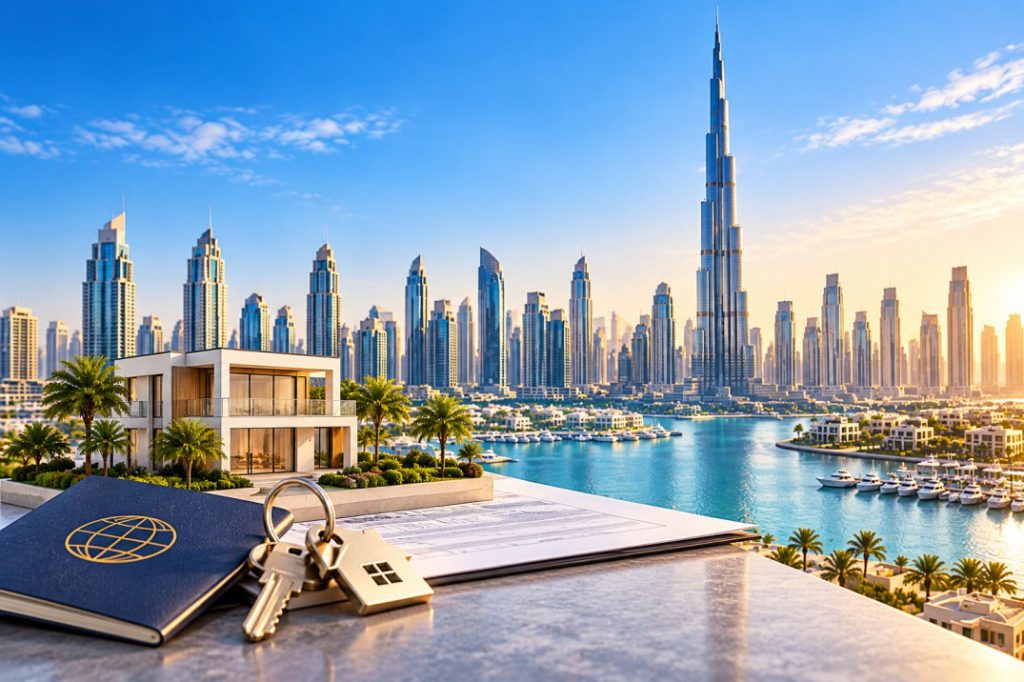
Foreign nationals can legally buy property in Dubai, including individuals who are not UAE residents. Dubai’s real estate framework allows non-UAE nationals to acquire ownership rights within designated areas approved for foreign ownership under Dubai’s property regulations. Ownership is registered through the Dubai Land Department (DLD), which issues the official title deed.
Foreign buyers are not required to hold a UAE residence visa to purchase property. Many international investors complete transactions while living outside the UAE.
However, there is an important distinction:
- Some properties are available on a freehold basis.
- Others may only be available through leasehold, usufruct, or similar ownership arrangements.
This distinction significantly affects ownership rights.
What Is Freehold Property in Dubai?
A freehold property gives the owner full ownership rights over the property and, where applicable, the land associated with it.
When purchasing a Dubai freehold property, an owner generally has the right to:
- Sell the property
- Lease it to tenants
- Occupy it personally
- Mortgage it (subject to lender approval)
- Transfer ownership
- Pass it to heirs under applicable succession rules
Ownership does not expire after a fixed period and is recorded with the Dubai Land Department through an official title deed.
For most foreign investors, freehold ownership represents the strongest form of real estate ownership available in Dubai.
Freehold vs Leasehold Property in Dubai
Many overseas buyers encounter both terms while researching properties. Understanding the difference is crucial.
| Feature | Freehold | Leasehold |
| Ownership period | Unlimited | Fixed term, often up to 99 years |
| Land ownership | Included where applicable | Not owned |
| Title deed | Issued to owner | Ownership rights limited to lease term |
| Resale rights | Full ownership transfer rights | Subject to lease conditions |
| Inheritance | Can generally be transferred to heirs | Rights limited by lease terms |
| Long-term control | High | Time-limited |
| Common buyer profile | Long-term investors, owner-occupiers | Buyers seeking usage rights in specific locations |
Leasehold ownership gives the right to use and benefit from a property for a defined period but does not provide perpetual ownership of the underlying asset.
For investors focused on long-term asset accumulation, wealth preservation, or succession planning, freehold ownership is generally the preferred option.
Why Dubai Introduced Freehold Ownership for Foreigners
Dubai’s property market underwent a major transformation when foreign ownership opportunities expanded in designated locations.
The objective was to:
- Attract international investment
- Support economic growth
- Encourage long-term residency
- Expand the property sector
- Increase global confidence in Dubai real estate
Today, Dubai is widely recognized as one of the most international real estate markets globally, with buyers from more than 170 countries participating in the market.
Benefits of Freehold Property in Dubai
Full Ownership Rights
Owners receive registered ownership through the Dubai Land Department and maintain direct control over the asset.
Ability to Rent the Property
Owners can lease residential or commercial units and generate rental income, subject to applicable regulations.
Resale Flexibility
Properties can be sold on the secondary market whenever the owner chooses, provided legal obligations are fulfilled.
Inheritance Planning
Freehold ownership generally enables real estate assets to be transferred according to applicable succession arrangements.
Mortgage Eligibility
Many UAE banks offer financing solutions for eligible resident and non-resident buyers, subject to credit requirements and lending policies.
Long-Term Investment Security
Freehold ownership does not expire after a fixed term, making it attractive for long-range investment strategies.
Dubai Freehold Areas for Foreign Buyers
Foreign ownership is permitted within designated freehold zones.
Popular freehold communities include:
Downtown Dubai
Home to:
- Burj Khalifa
- Dubai Mall
- Luxury apartment developments
Dubai Marina
Known for:
- Waterfront living
- High-rise residential towers
- Strong rental demand
Palm Jumeirah
One of Dubai’s most recognizable luxury locations featuring:
- Villas
- Branded residences
- Beachfront apartments
Business Bay
A mixed-use district popular with:
- Professionals
- Investors
- Corporate tenants
Dubai Hills Estate
A master-planned community featuring:
- Villas
- Townhouses
- Apartments
- Golf course living
Jumeirah Village Circle (JVC)
Popular among:
- First-time investors
- End-users
- Value-focused buyers
Jumeirah Lake Towers (JLT)
Arabian Ranches
Dubai Creek Harbour
Meydan
Dubai South
DAMAC Hills
Town Square
Al Furjan
Dubai Islands
The designated freehold list evolves over time as new developments and communities are approved. Buyers should always verify the ownership classification of a specific property before proceeding.
Property Ownership Rules in Dubai for Foreigners

Foreign buyers can generally purchase:
- Apartments
- Villas
- Townhouses
- Off-plan properties
- Commercial units
Within approved ownership zones.
However, buyers should distinguish between:
Ready Property
A completed property with title transfer occurring during the purchase process.
Off-Plan Property
A property purchased before completion.
For off-plan purchases:
- The project should be registered with the relevant authorities.
- Funds should be handled through approved escrow arrangements.
- Buyers should verify developer licensing and project registration status.
How to Check if a Dubai Property Is Freehold
One of the most important due diligence steps is verifying ownership status.
Request the Title Documentation
For ready properties, review the title deed issued through the Dubai Land Department.
Verify Through Dubai Land Department Services
The DLD provides property-related verification services and ownership records.
Use Official Digital Platforms
The Dubai REST platform can provide property-related information and help verify ownership details.
Review Off-Plan Registration Documents
For under-construction projects, review registration and project documentation carefully.
Work with Licensed Professionals
Use RERA-registered brokers, reputable conveyancing professionals, and experienced real estate legal advisers to verify ownership structure.
Essential Due Diligence Checklist for Foreign Buyers
Before signing any sale agreement:
Legal Verification
- Confirm freehold status
- Verify seller ownership
- Review title documentation
- Confirm project registration
- Check developer credentials
Financial Review
- Understand all purchase costs
- Assess financing requirements
- Review service charges
- Consider ongoing maintenance expenses
Property Inspection
- Verify unit specifications
- Review snagging issues (if applicable)
- Confirm community regulations
Rental Review
- Understand tenant regulations
- Review rental demand
- Understand Ejari requirements for leasing
Additional Costs Foreign Buyers Should Consider
The purchase price is only part of the investment.
Depending on the transaction, buyers may encounter:
- Dubai Land Department fees
- Registration costs
- Mortgage-related charges
- Valuation fees
- Brokerage commissions
- Developer administration charges
- Service charges
- Property management fees
Applicable costs vary by property type and transaction structure. Buyers should obtain updated figures directly from the relevant authorities and transaction participants before proceeding.
Does Freehold Property Automatically Grant Residency?
No.
Property ownership and residency are separate matters.
Certain property investments may qualify buyers for specific residency pathways subject to immigration requirements and eligibility criteria. However, purchasing property does not automatically guarantee residency status or visa approval. Official immigration regulations should always be reviewed before making decisions based on residency objectives.
Common Mistakes Foreign Property Buyers Make
Assuming Every Dubai Property Is Freehold
Not all properties are available under freehold ownership.
Failing to Verify Title Status
Always confirm ownership classification before paying a reservation fee or deposit.
Ignoring Service Charges
Ongoing ownership costs can materially affect investment performance.
Focusing Only on Purchase Price
Transaction and ownership costs matter.
Not Researching the Community
Location selection should align with investment goals, rental demand, and long-term plans.
Skipping Professional Advice
Legal and financial guidance can help identify risks early in the transaction process.
Should You Buy Freehold or Leasehold Property?
For most international buyers seeking:
- Long-term ownership Asset appreciation potential
- Rental income opportunities
- Estate planning flexibility
- Greater control over their investment
Freehold ownership is generally the preferred structure.
Leasehold properties may still suit some buyers depending on location, intended holding period, and budget considerations, but they involve different ownership rights and limitations.
Dubai remains one of the most accessible property markets for international investors, but understanding ownership structures is essential before making a purchase.
While foreigners can legally buy property in Dubai, ownership rights depend on whether a property is designated as freehold, leasehold, or another permitted structure. Freehold ownership typically provides the strongest ownership rights, including the ability to sell, lease, mortgage, and transfer the property without a fixed ownership term.
Before investing, buyers should verify the property’s legal status, review title documentation, understand associated transaction costs, and confirm eligibility requirements through official sources such as the Dubai Land Department.
A well-informed purchase begins with a simple question: Is the property freehold? Ensuring you know the answer can help protect your investment and support better real estate decisions in Dubai’s dynamic property market.
Disclaimer: This article is for informational purposes and does not constitute legal, financial, tax, or investment advice. Property ownership regulations, residency requirements, lending policies, and transaction procedures may change. Buyers should verify current requirements with the relevant authorities, and licensed real estate professionals before making any property purchase decision.
Frequently Asked Questions
1. Can foreigners buy property in Dubai?
Yes. Foreign nationals can purchase property in designated ownership areas in Dubai and register ownership through the Dubai Land Department.
2. What is a freehold property in Dubai?
A freehold property provides full ownership rights without a fixed expiration period and is registered through an official title deed.
3. What is the difference between freehold and leasehold property in Dubai?
Freehold provides perpetual ownership rights, while leasehold generally grants usage rights for a fixed period, often extending up to 99 years.
4. Do I need a UAE residence visa to buy property in Dubai?
No. Foreign buyers can purchase eligible properties without being UAE residents.
5. How can I check if a property is freehold?
Review the title deed, verify records through the Dubai Land Department, use Dubai REST services where applicable, and consult licensed real estate professionals.
6. Can I rent out my freehold property in Dubai?
Generally, yes. Owners may lease their properties subject to applicable regulations and tenancy requirements.
7. Are off-plan properties available on a freehold basis?
Many off-plan projects are offered as freehold properties within designated ownership areas, but buyers should verify the specific project’s legal status before purchasing.
8. Does buying property guarantee a UAE Golden Visa?
No. Property ownership alone does not automatically grant residency. Visa eligibility depends on meeting current immigration requirements.
9. Can foreign buyers obtain a mortgage in Dubai?
Many UAE banks offer mortgage products to qualified resident and non-resident applicants, subject to lending criteria and approval processes.
10. Is freehold ownership available everywhere in Dubai?
No. Foreign freehold ownership is generally limited to designated areas approved under Dubai’s property ownership regulations.